The Role of Gut Health in Cognitive Function Explained
The human body is a complex network, and increasingly, research highlights the profound connection between seemingly disparate systems. One of the most fascinating and impactful discoveries in recent years is the intricate link between our gut health and cognitive function. This connection, often referred to as the gut-brain axis, plays a crucial role in everything from mood regulation to memory and learning.
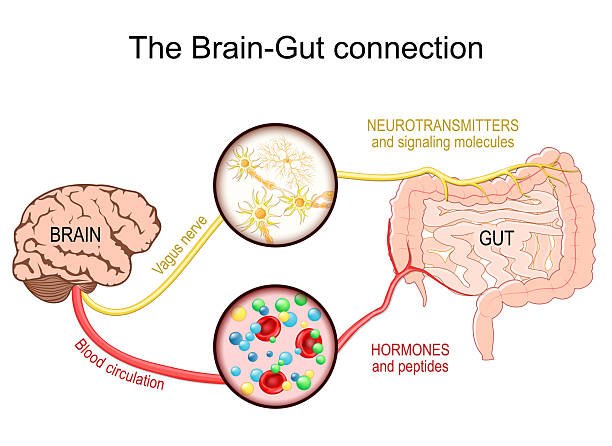
Understanding the Gut-Brain Axis
The gut-brain axis is a bidirectional communication system that involves the central nervous system, the enteric nervous system (the nervous system of the gut), and the gut microbiota. This communication occurs through various pathways, including the vagus nerve, immune system, and the production of neurotransmitters and metabolites by gut bacteria [1].
The Microbiome's Influence on the Brain
Our gut is home to trillions of microorganisms, collectively known as the gut microbiome. This diverse community of bacteria, viruses, and fungi plays a critical role in digestion, nutrient absorption, and immune system development. Emerging evidence suggests that the composition of this microbiota significantly influences brain function, behavior, and cognition [2].
Key Insight:
Gut bacteria produce a wide array of neuroactive compounds, including neurotransmitters like serotonin, dopamine, and gamma-aminobutyric acid (GABA), which can directly influence brain chemistry and function.
How Gut Dysbiosis Affects Cognitive Function
An imbalance in the gut microbiota, known as dysbiosis, can have detrimental effects on cognitive health. Dysbiosis can lead to increased gut permeability (leaky gut), allowing inflammatory molecules to enter the bloodstream and potentially cross the blood-brain barrier. This systemic inflammation is strongly linked to cognitive decline, brain fog, and an increased risk of neurodegenerative diseases [3].
Recent Research and Findings
Recent studies, such as those from Stanford Medicine, have demonstrated that enhancing gut-brain communication can reverse age-related cognitive decline in mice. Changes in gut bacteria in aging mice were found to hinder communication between the intestines and the brain, leading to poorer performance on memory tasks. These findings underscore the potential for targeting the gut microbiome to improve cognitive outcomes [4].

Supporting Gut Health for Optimal Brain Function
Maintaining a healthy gut microbiome is crucial for supporting cognitive function. Here are some strategies:
- Diet Rich in Fiber: Consume plenty of fruits, vegetables, and whole grains to feed beneficial gut bacteria.
- Probiotic-Rich Foods: Incorporate fermented foods like yogurt, kefir, sauerkraut, and kimchi into your diet.
- Prebiotics: These are non-digestible fibers that promote the growth of beneficial bacteria. Sources include garlic, onions, asparagus, and bananas.
- Limit Processed Foods: Reduce intake of sugar, artificial sweeteners, and highly processed foods, which can negatively impact gut diversity.
- Stress Management: Chronic stress can alter gut microbiota composition. Practices like meditation, yoga, and regular exercise can help.
| Factor | Impact on Gut-Brain Axis | Cognitive Benefit |
|---|---|---|
| Diverse Microbiome | Produces beneficial neurotransmitters and metabolites | Improved mood, memory, and learning |
| Gut Permeability | Reduced inflammation, prevents harmful substances from entering bloodstream | Clearer thinking, reduced brain fog |
| Vagus Nerve Activity | Direct communication pathway between gut and brain | Enhanced cognitive processing, stress resilience |
| Dietary Fiber | Feeds beneficial bacteria, promotes short-chain fatty acids | Neuroprotection, improved brain energy metabolism |
| Probiotics | Introduces beneficial bacteria, balances microbiome | Support for memory, mood, and overall cognitive health |
Conclusion
The connection between gut health and cognitive function is undeniable and continues to be a vibrant area of research. By nurturing a healthy gut microbiome through diet and lifestyle choices, we can significantly impact our brain health, potentially enhancing memory, mood, and overall cognitive vitality. Understanding and actively supporting your gut is a powerful step towards a healthier, sharper mind. Products like Memopezil, with their focus on cognitive support, can be a valuable part of a holistic approach to brain health.
Ready to Optimize Your Cognitive Health?
Discover how Memopezil can complement your efforts in supporting both gut and brain health for enhanced mental performance.
EXPLORE MEMOPEZIL BENEFITSReferences and Sources:
- [1] Johns Hopkins Medicine. The Brain-Gut Connection.
- [2] National Center for Biotechnology Information (NCBI). Gut Microbiota Impact on Cognitive Function in Humans.
- [3] Harvard Health Publishing. The Gut-Brain Connection: How it works and the role of nutrition.
- [4] Stanford Medicine. Enhancing gut-brain communication reversed cognitive decline in aging mice.