The Memopezil™ Formula

Memopezil Ingredients

A transparent, science-backed look at the four nootropic compounds inside every Memopezil capsule — and what the published research actually says for adults 60+.

Non-GMO Gluten-Free Backed by Clinical Research

Full formula transparency

What's inside Memopezil — and why

Memopezil ingredients are a focused blend of four well-studied compounds, each selected for a specific role in supporting memory, focus, and healthy brain aging. There are no fillers in this list and no proprietary mystery: just four botanicals and nutrients that researchers have studied for decades.

Rather than chase a long label of trendy extracts, Memopezil keeps the formula deliberately narrow. Below you'll find an honest, plain-English breakdown of each ingredient — what it is, how it's thought to work in the brain, and what the human research has actually found. We've cited the studies directly so you can read them yourself.

At a glance

The four ingredients, side by side

A quick-reference table you can scan in seconds or bring to your doctor. Doses shown are the amounts used in the published research, not necessarily the amount in Memopezil — always check the Supplement Facts panel on your bottle for exact per-serving values.

Doses listed reflect typical amounts used in cited clinical studies. See your product label for Memopezil's exact per-serving amounts.
IngredientSourceStudied forDose in research
Bacopa MonnieriAyurvedic herb (whole plant)Memory recall, learning, calm focus~300 mg/day, 12 weeks
Ginkgo BilobaGinkgo tree leaf extractCerebral blood flow, cognition120–240 mg/day
PhosphatidylserinePhospholipid (soy/sunflower)Age-associated memory support100–300 mg/day
Huperzine AHuperzia serrata (club moss)Acetylcholine, memory signaling200–500 mcg/day

Ingredient deep dive

The science behind each ingredient

Bacopa Monnieri

Brahmi — a staple of Ayurvedic medicine
Memory recallCalm focusAntioxidant

Bacopa Monnieri is one of the most researched herbs for memory. Its active compounds, called bacosides, are believed to support communication between neurons and to protect brain cells from oxidative stress. Traditionally it was used to help students retain new information — and modern science has taken a serious look at that claim.

What the research shows: In a randomized, double-blind, placebo-controlled trial of 54 adults aged 65 and older, 300 mg/day of a standardized Bacopa extract for 12 weeks significantly improved delayed word-recall memory and attention compared with placebo, while also lowering anxiety scores.1 Earlier work in healthy adults found similar gains in the retention of new information.2

Because Bacopa appears to act gradually, studies typically run for 8–12 weeks — a reminder that consistency, not a single dose, is what matters most with this herb.

Ginkgo Biloba

From the world's oldest surviving tree species
Blood flowCognitionNeuroprotection

Ginkgo Biloba is best known for supporting healthy circulation to the brain. Standardized leaf extracts are rich in flavonoid glycosides and terpene lactones, which research suggests can support brain perfusion, reduce blood viscosity, and provide antioxidant protection to neurons.

What the research shows: A systematic review and meta-analysis of randomized trials found that standardized Ginkgo extract (commonly 240 mg/day) was associated with improvements in cognition and everyday functioning in adults with cognitive impairment, with a safety profile similar to placebo.3 The same standardized extract has been shown in clinical work to enhance brain perfusion and lower blood viscosity.

It's the circulatory angle that makes Ginkgo a natural partner to the other ingredients: better blood flow means oxygen and nutrients reach the brain cells that the rest of the formula is working to support.

Phosphatidylserine

A building block of every brain cell membrane
Cell membranesMemoryFDA qualified claim

Phosphatidylserine (PS) is a phospholipid that the brain concentrates in its cell membranes, where it helps neurons send and receive signals and supports the release of key neurotransmitters. The body makes its own PS, but levels and membrane fluidity can change with age — which is why it's a long-standing ingredient in cognitive formulas.

What the research shows: A landmark randomized trial of 149 older adults with age-associated memory impairment found that 300 mg/day of PS for 12 weeks improved performance on memory tasks, with the largest gains in those who started with the most difficulty.4 Phosphatidylserine is also the rare supplement ingredient to hold a U.S. FDA qualified health claim for cognitive support in the elderly.5
Honest note: When the FDA granted that qualified claim in 2003, it required this caveat: the science is "very limited and preliminary," and the agency concluded there is little scientific evidence supporting it. We share it so you can judge the strength of the evidence for yourself.

Huperzine A

Purified from Huperzia serrata, a Chinese club moss
AcetylcholineMemory signalingUsed in micrograms

Huperzine A works through a precise mechanism: it helps slow the breakdown of acetylcholine, a neurotransmitter that is central to memory, learning, and attention. By supporting healthy acetylcholine levels, it aims to keep the brain's memory-signaling system running smoothly. Because it's potent, it's measured in micrograms (mcg), not milligrams.

What the research shows: A systematic review and meta-analysis of 20 randomized trials (1,823 participants) reported that Huperzine A improved cognitive scores on standard memory and mental-state assessments versus placebo, with no severe adverse events reported.6 An earlier meta-analysis found similar cognitive benefits at 300–500 mcg/day.7 The authors note that many of the individual trials were small, so results should be read with appropriate caution.
Talk to your doctor first: Because Huperzine A acts on the same cholinergic pathway as certain prescription medications, anyone taking other medicines should get professional guidance before use.
Quality & purity

Made with standards in mind

Every ingredient in Memopezil is non-GMO and gluten-free. The formula avoids unnecessary fillers and keeps the ingredient list short and verifiable — four compounds, each with a clear purpose and a body of research behind it. We believe a formula you can fully read and look up is more trustworthy than a long, vague "proprietary blend."

If you have food sensitivities, take prescription medication, are pregnant or nursing, or have a diagnosed health condition, review the full Supplement Facts panel with your healthcare provider before starting any new supplement.

Common questions

Memopezil ingredients: your questions answered

Are the ingredients in Memopezil safe?
All four ingredients are widely used in dietary supplements and have been studied in humans, generally with mild and temporary side effects such as occasional stomach upset. That said, "natural" doesn't mean risk-free for everyone — people on blood thinners or cholinergic medication, and those who are pregnant or nursing, should talk to a doctor before use.
How long do the ingredients take to work?
Botanical nootropics like Bacopa Monnieri are typically studied over 8 to 12 weeks of daily use, because they're thought to build up gradually rather than work instantly. Taking your serving consistently each day matters more than any single dose.
Is Memopezil non-GMO and gluten-free?
Yes. Every ingredient in the Memopezil formula is non-GMO and gluten-free.
Can I take Memopezil with my medications?
Check with your healthcare provider first. Ginkgo Biloba may interact with blood-thinning medication, and Huperzine A works on the same cholinergic pathway as some prescription drugs — so professional guidance is important if you take other medicines.
Are Memopezil's ingredients clinically studied?
Yes — each of the four has been examined in randomized controlled trials or meta-analyses for memory and cognition, and the key studies are cited at the bottom of this page. Phosphatidylserine even holds a U.S. FDA qualified health claim, though the FDA notes that the supporting evidence is limited and preliminary.

Ready to support your memory the transparent way?

Now that you know exactly what's inside — and the science behind every ingredient — see the current offer on the official Memopezil page.

See Memopezil Pricing & Details Statements have not been evaluated by the FDA. This product is not intended to diagnose, treat, cure, or prevent any disease.
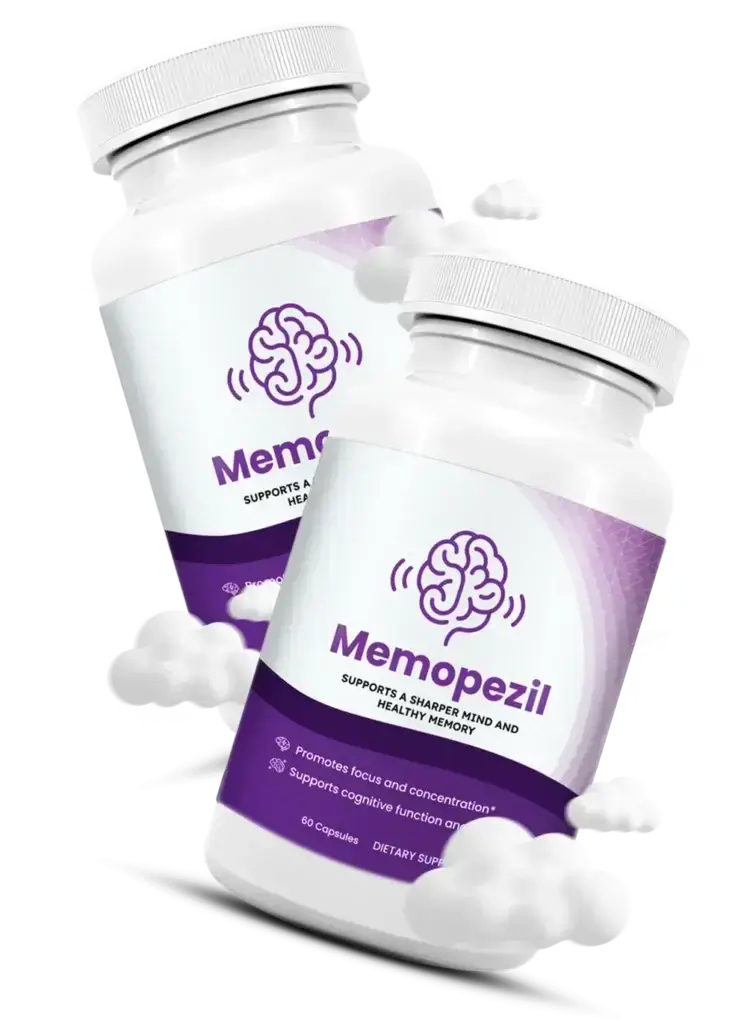
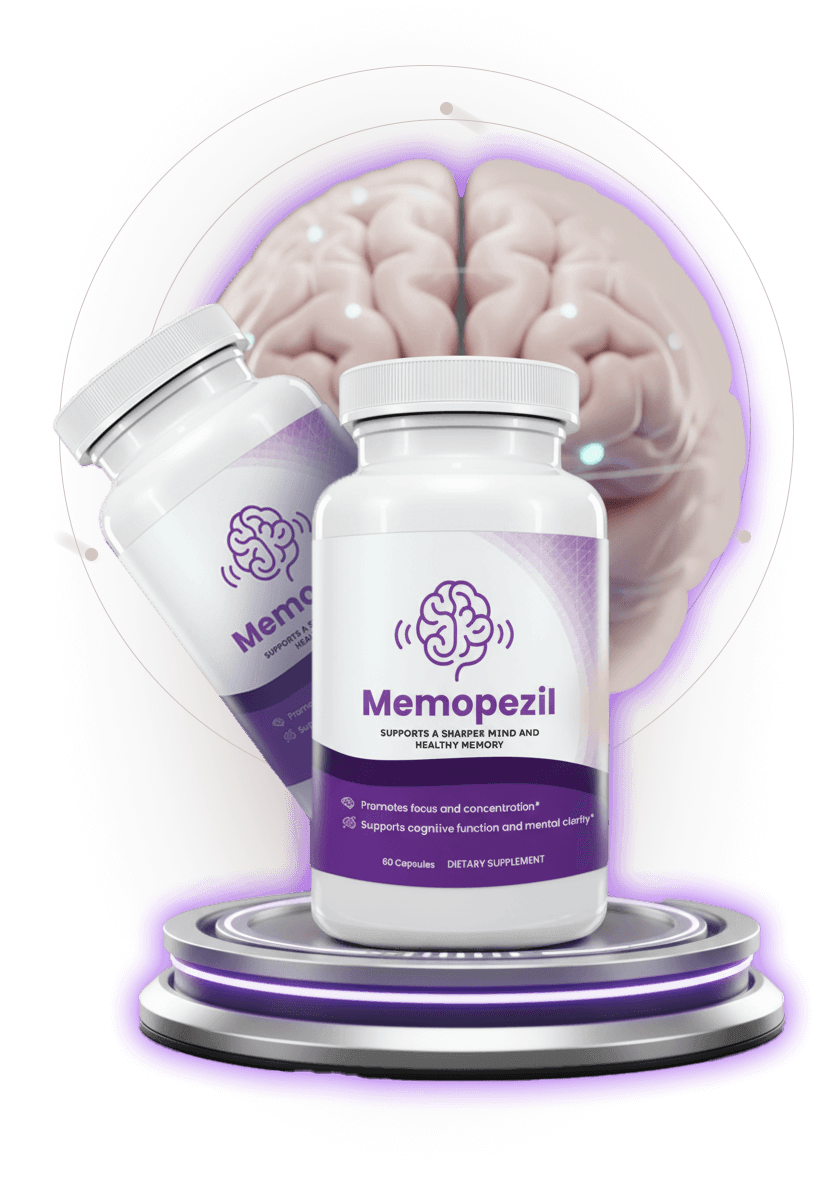
Bottle of Memopezil cognitive support supplement

References

Scientific references

These citations refer to research on the individual ingredients and are provided for education. They are not claims about Memopezil itself.

  1. Calabrese C, Gregory WL, Leo M, et al. Effects of a standardized Bacopa monnieri extract on cognitive performance, anxiety, and depression in the elderly: a randomized, double-blind, placebo-controlled trial. J Altern Complement Med. 2008;14(6):707–713. PubMed
  2. Stough C, Lloyd J, Clarke J, et al. The chronic effects of an extract of Bacopa monniera (Brahmi) on cognitive function in healthy human subjects. Psychopharmacology (Berl). 2001;156(4):481–484.
  3. Tan MS, Yu JT, Tan CC, et al. Efficacy and adverse effects of Ginkgo biloba for cognitive impairment and dementia: a systematic review and meta-analysis. J Alzheimers Dis. 2015;43(2):589–603.
  4. Crook TH, Tinklenberg J, Yesavage J, et al. Effects of phosphatidylserine in age-associated memory impairment. Neurology. 1991;41(5):644–649.
  5. U.S. Food and Drug Administration. Qualified Health Claim: Phosphatidylserine and Cognitive Dysfunction and Dementia (2003). fda.gov
  6. Yang G, Wang Y, Tian J, Liu JP. Huperzine A for Alzheimer's disease: a systematic review and meta-analysis of randomized clinical trials. PLoS One. 2013;8(9):e74916. PLOS One
  7. Wang BS, Wang H, Wei ZH, et al. Efficacy and safety of natural acetylcholinesterase inhibitor huperzine A in the treatment of Alzheimer's disease: an updated meta-analysis. J Neural Transm. 2009;116(4):457–465.

Educational information only — not medical advice. The research cited studies individual ingredients in specific populations and doses, and individual results vary. These statements have not been evaluated by the Food and Drug Administration. Memopezil is a dietary supplement and is not intended to diagnose, treat, cure, or prevent any disease. Always consult a qualified healthcare professional before beginning any new supplement, especially if you take medication or have a medical condition.